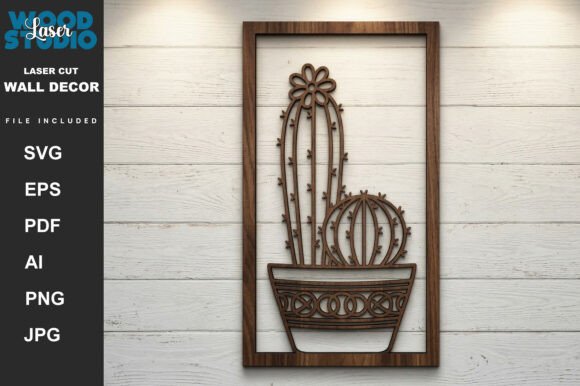
Elevating Modern Interiors: The Strategic Value of Wall Decor SVG Laser Cut Tulip Designs
In the rapidly evolving landscape of interior design and digital fabrication, the intersection of aesthetic appeal and technological precision has created new opportunities for creators and entrepreneurs alike. Among the myriad of design elements gaining traction, the Wall Decor SVG Laser Cut Tulip stands out as a prime example of how traditional botanical motifs are being reimagined through modern manufacturing capabilities. This is not merely a trend in home decoration; it represents a shift in how professionals approach custom fabrication, scalability, and consumer engagement in the creative economy.
At its core, a Wall Decor SVG Laser Cut Tulip refers to a digital vector file specifically engineered for computer-controlled cutting machines, such as CO2 lasers or fiber lasers. Unlike standard raster images, Scalable Vector Graphics (SVG) ensure that the intricate lines and curves of a tulip design remain crisp and precise regardless of the scale at which they are produced. When you acquire a high-quality cut file, you will get 1 cut file that serves as the blueprint for transforming raw materials—ranging from mild steel and aluminum to wood and acrylic—into sophisticated three-dimensional wall art. This digital-to-physical workflow is reshaping expectations across industries, from bespoke furniture making to large-scale commercial fit-outs.
The Convergence of Craft and Technology
The rising attention surrounding laser-cut botanical designs is driven by a broader industry movement toward mass customization. Consumers today no longer seek mass-produced, identical items found in big-box stores. Instead, there is a growing demand for personalized spaces that reflect individual identity while maintaining a polished, professional finish. The tulip, a symbol of renewal and elegance, offers a versatile subject matter that bridges the gap between organic softness and industrial precision.
For freelancers and small business owners, the adoption of SVG-based workflows signifies a crucial optimization of time and resources. In the past, creating complex metal or wood wall art required hours of manual drafting, templating, and hand-cutting. Today, utilizing a pre-engineered Wall Decor SVG Laser Cut Tulip allows a fabricator to move directly from concept to production. This efficiency does not compromise quality; rather, it enhances it by eliminating human error in the tracing phase. The result is a product that looks hand-crafted but possesses the flawless consistency of machine precision.
Furthermore, this technology aligns with the increasing emphasis on sustainable manufacturing. Laser cutting is a subtractive process that, when paired with optimized SVG nesting, minimizes material waste. Professionals can maximize the yield from a single sheet of metal or wood, reducing costs and environmental impact. This resonates deeply with modern consumers who prioritize eco-conscious purchasing decisions, adding another layer of value to the final product beyond its visual appeal.
Market Dynamics and Consumer Preferences
Why are people paying attention to laser-cut tulips specifically? The answer lies in the changing aesthetics of contemporary living and working spaces. The "biophilic design" movement, which seeks to connect occupants more closely to nature, has moved from a niche concept to a mainstream requirement in both residential and corporate environments. However, incorporating live plants is not always feasible due to maintenance requirements or lighting constraints. Laser-cut metal or wood flora offers a permanent, low-maintenance alternative that captures the essence of nature without the upkeep.
The Wall Decor SVG Laser Cut Tulip fits perfectly into this narrative. Its clean lines and open-work structure allow light to pass through, creating dynamic shadows that change throughout the day. This interplay of light and shadow adds depth and texture to flat walls, turning a simple surface into a focal point. For marketers and interior designers, this provides a powerful tool for staging properties or designing retail spaces that feel inviting and sophisticated.
From a business perspective, the versatility of these files opens up diverse revenue streams. A creator who purchases a single SVG file can produce variations by altering the material, finish, or scale. The same tulip design can be executed in brushed brass for a luxury hotel lobby, matte black steel for a modern loft, or natural plywood for a cozy café. This adaptability allows entrepreneurs to target multiple market segments without needing to invest in new design research for each project. The ability to pivot quickly based on client needs is a significant competitive advantage in the gig economy.
Workflow Optimization for Creators
The integration of SVG files into a professional workflow represents a maturation of the maker movement. It signals a transition from hobbyist experimentation to professional reliability. When a designer downloads a Wall Decor SVG Laser Cut Tulip, they are accessing a asset that has likely been tested for kerf compensation, bridge integrity, and structural stability. These technical considerations are vital for ensuring that the final piece hangs correctly and withstands the test of time.
Consider the practical application for a custom metal shop. Upon receiving an order for a series of decorative panels, the operator imports the SVG into their CAM (Computer-Aided Manufacturing) software. Because the file is vector-based, scaling the design to fit a specific wall dimension is instantaneous. There is no loss of resolution, no pixelation, and no need for redrawing. This seamless workflow reduces turnaround times, allowing businesses to take on higher volumes of work or offer rush services that command premium pricing.
- Design Validation: The SVG format allows for immediate visual inspection of paths and nodes, ensuring no open contours that could cause cutting errors.
- Material Versatility: The same file can drive cuts in 16-gauge steel, 3mm acrylic, or 1/2-inch MDF, adapting to the client's budget and style preferences.
- Scalability: Whether producing a single statement piece or a hundred units for a development project, the digital source remains constant and reliable.
This level of operational efficiency is essential for freelancers and agencies looking to scale. It removes the bottleneck of custom drafting, freeing up creative energy for client consultation, finishing techniques, and installation logistics. The focus shifts from "how do I draw this?" to "how do I deliver the best experience?"
Future-Proofing Creative Businesses
As we look toward the future of the creative industries, the reliance on high-quality digital assets like the Wall Decor SVG Laser Cut Tulip will only deepen. The barrier to entry for high-end fabrication continues to lower, meaning that differentiation will come from design curation and execution quality rather than access to machinery alone. Professionals who understand how to leverage these digital tools to create tangible value will lead the market.
Moreover, the global nature of digital marketplaces means that a designer in one region can sell a file to a fabricator in another, fostering a collaborative international ecosystem. When you will get 1 cut file, you are not just buying a picture; you are acquiring a license to participate in this global exchange of ideas and manufacturing capability. This democratization of design tools empowers local artisans to compete on a world stage, offering unique, locally fabricated versions of globally recognized design trends.
The relevance of these files also extends to the realm of smart manufacturing and Industry 4.0. As shops become more automated, the need for clean, machine-readable data becomes paramount. SVG files serve as the universal language between design software and fabrication hardware. Ensuring that your library includes robust, well-structured vector files is a strategic move that future-proofs your operation against obsolescence.
In conclusion, the Wall Decor SVG Laser Cut Tulip is more than a decorative element; it is a catalyst for innovation in the creative sector. It embodies the perfect synthesis of artistic tradition and technological advancement. For professionals, entrepreneurs, and enthusiasts, embracing this toolset offers a pathway to greater efficiency, expanded creative possibilities, and deeper engagement with market trends. By understanding the broader context of why these designs matter—from biophilic demands to workflow optimization—creators can position themselves at the forefront of the modern fabrication industry. The tulip may be an ancient symbol, but in the hands of a skilled operator with the right digital file, it becomes a distinctly modern statement of capability and vision.