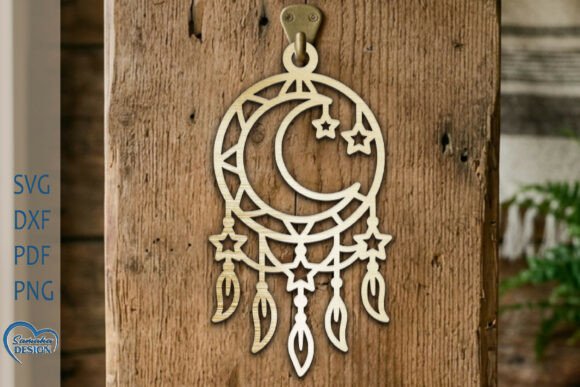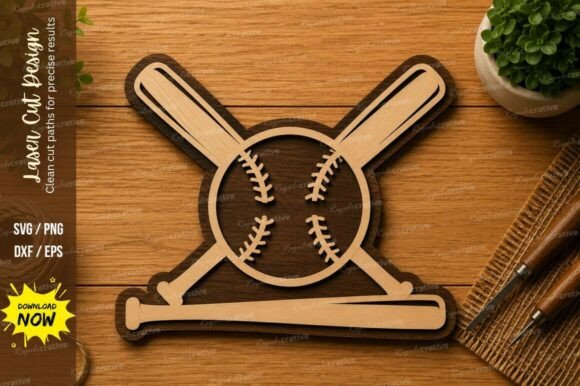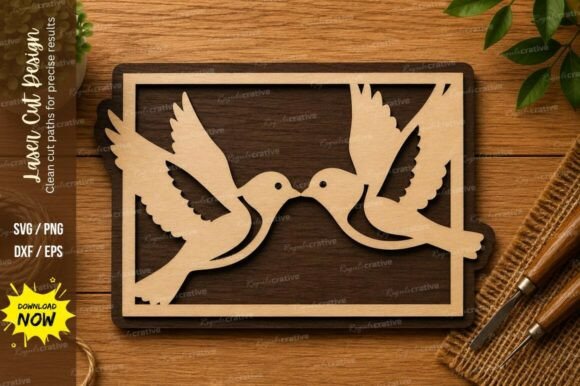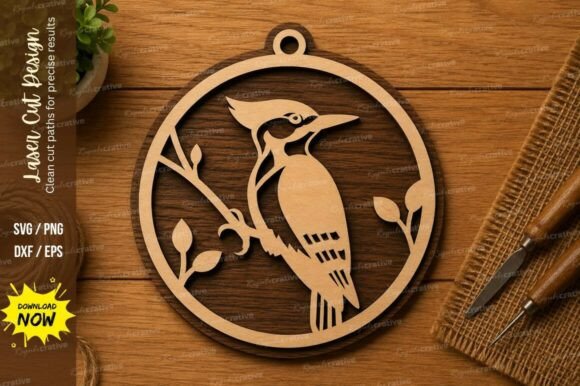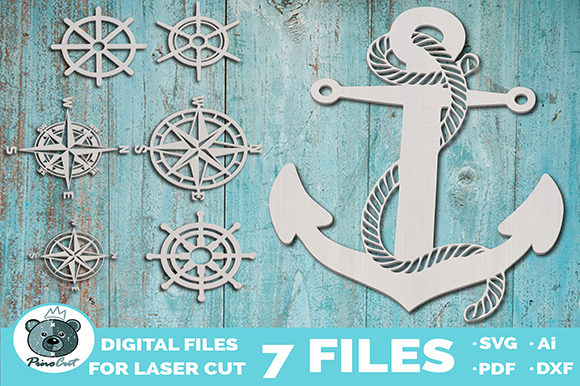
Anchor, Laser Cut File, Glow Forge File: A Practical Guide for CNC Projects
The terms Anchor, Laser Cut File, Glow Forge File often appear in discussions about digital design and manufacturing. These files serve as blueprints for creating physical objects using precision tools like laser cutters and CNC machines. Understanding what these files are and how they can be used is essential for anyone involved in woodworking, prototyping, or small-scale production.
What Are Anchor, Laser Cut File, and Glow Forge File?
An Anchor in this context refers to a specific point or reference within a design that ensures alignment during the cutting process. It helps maintain accuracy when multiple parts are being cut from a single file. A Laser Cut File is a digital vector drawing, typically in formats like SVG or DXF, that outlines the shapes and cuts needed for a project. This file is used with laser cutters to produce precise components from materials such as wood, acrylic, or fabric.
A Glow Forge File is similar but specifically designed for use with the Glow Forge, a desktop laser cutter and engraver. These files are optimized for the Glow Forge’s capabilities, ensuring compatibility and ease of use. All three types of files are usually stored in an archive, making them easy to access, modify, and reuse for different projects.
Why Someone Might Be Interested in These Files
Individuals interested in DIY projects, custom furniture, or small-batch production may find these files valuable. The ability to download a pre-designed file, adjust it to fit their needs, and then cut it using a laser or CNC machine offers a streamlined approach to manufacturing. This is especially appealing for those who want to create unique designs without the need for advanced CAD software or extensive machining skills.
For hobbyists and makers, these files provide a starting point that can be customized. Whether building a wooden puzzle, crafting decorative wall art, or assembling a functional piece of furniture, the flexibility of these files allows for creative exploration. Additionally, the option to paint or decorate the final product adds another layer of personalization.
Benefits and Considerations
One of the main benefits of using Anchor, Laser Cut File, Glow Forge File is the cost-effectiveness and efficiency they offer. By leveraging pre-designed files, users can save time and reduce material waste. This is particularly useful for mass production, where consistency and speed are crucial.
Another advantage is the ease of assembly. Many projects are designed with interlocking pieces or simple fastening methods, making them straightforward to put together. This makes them ideal for educational settings, workshops, or community projects where participants may have varying levels of experience.
However, there are considerations to keep in mind. The quality of the final product depends heavily on the material used. While 3mm plywood is recommended for its balance of strength and workability, other materials may require adjustments to the cutting settings. Users should also be aware of the limitations of their equipment, as not all laser cutters or CNC machines can handle the same thicknesses or materials.
Situations Where These Files Are a Strong Fit
Anchor, Laser Cut File, Glow Forge File are particularly well-suited for projects that require precision and repeatability. For example, a company looking to produce custom signage or promotional items could benefit from using these files. Similarly, educators teaching design or engineering concepts can use them to demonstrate real-world applications of digital fabrication.
They are also ideal for individuals who want to experiment with different designs without investing in expensive tooling or molds. By modifying existing files, users can test ideas quickly and efficiently. This makes them a popular choice for startups or independent creators looking to prototype new products.
When Alternatives May Be Worth Considering
In some cases, alternatives to these files may be more appropriate. For instance, if a project requires complex 3D shapes or intricate details that cannot be achieved with a flat laser cut, a different approach—such as 3D printing or traditional woodworking—may be necessary. Additionally, users who prefer hand-crafted elements may find that relying solely on digital files limits their creative expression.
It's also important to consider the availability of the right tools. Not everyone has access to a laser cutter or Glow Forge, so alternative methods like manual cutting or outsourcing to a fabrication service might be required. In such cases, the convenience of downloadable files may be offset by the need for additional resources or expertise.
Decision-Making Insights
When deciding whether to use Anchor, Laser Cut File, Glow Forge File, it's helpful to evaluate your specific goals. If you're looking for a quick, cost-effective way to produce consistent parts, these files can be a great asset. However, if your project demands high customization or involves non-standard materials, you may need to explore other options.
Additionally, consider the level of technical skill required. While many files are user-friendly, some may require basic knowledge of design software or machine operation. Taking the time to understand these requirements can help avoid frustration and ensure successful outcomes.
Ultimately, the decision comes down to balancing convenience, cost, and creativity. By carefully assessing your needs and the available tools, you can determine whether these files align with your goals and contribute to a productive and satisfying project experience.